Hackney Council rules for flower stalls and market trading
Posted on 11/10/2026
If you are planning to sell flowers on a stall in Hackney, the rules can feel a bit more tangled than they first look. One minute you are thinking about buckets, pricing, and what looks good on a Saturday morning; the next you are dealing with permissions, trading conditions, public space rules, and the practicalities of running a lawful stall. This guide breaks down Hackney Council rules for flower stalls and market trading in plain English, so you can understand what matters, what to check, and how to avoid costly mistakes.
Whether you are a new florist testing the waters, a market trader expanding into outdoor sales, or an experienced seller trying to stay compliant, the same core questions keep coming up: where can you trade, do you need permission, what counts as a market pitch, and how do you keep your setup tidy and safe? Let's get into it properly.
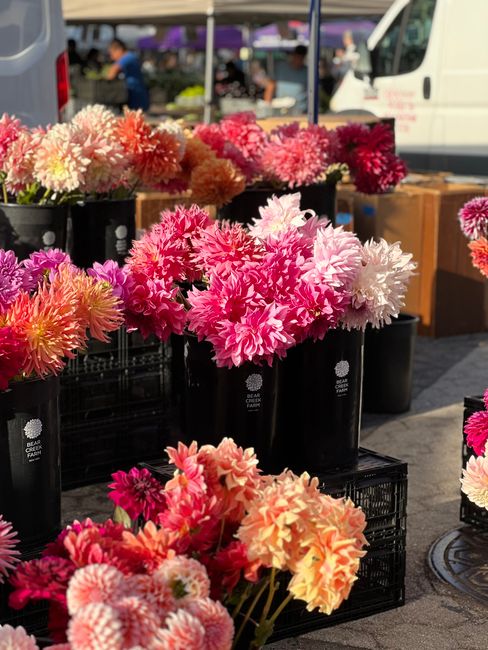
Why Hackney Council rules for flower stalls and market trading Matters
Market trading sounds simple on the surface. You bring stock, set up a stall, serve customers, and pack down at the end of the day. But local trading is never just about the flowers. In Hackney, the council's rules shape where you can operate, how your pitch is allocated, what standards you must keep to, and whether your stall can stay open without problems.
That matters for three big reasons. First, compliance protects you from being moved on, fined, or refused a pitch renewal. Second, it helps you trade with confidence. You are not guessing whether your setup is acceptable every morning. Third, it affects the customer experience. A well-run stall that looks tidy, is easy to access, and feels safe tends to do better. Truth be told, people buy with their eyes long before they get near the roses.
There is also a wider point. Hackney has a busy, mixed trading environment with local residents, commuters, independent traders, and events all competing for space. Rules exist to keep that space fair and workable. If you understand them early, you save yourself a lot of back-and-forth later. And yes, a few awkward conversations too.
Expert summary: The smartest approach is to treat council rules as part of your trading model, not a nuisance afterthought. The earlier you build compliance into your flower stall plan, the easier everything else becomes.
How Hackney Council rules for flower stalls and market trading Works
While details can vary depending on the exact trading location, the general framework is straightforward. In local authority trading areas, you usually need the right permission to trade on a stall or pitch. That may involve a licence, consent, tenancy-style permission, or another form of authorisation depending on the site and market operator. The key thing is that you should not assume a public pavement or open space is automatically available for sales.
For flower sellers, the practical issues usually fall into a handful of buckets:
- Pitch permission: whether you are allowed to trade in that spot at all.
- Trading conditions: what times, stall dimensions, display rules, or conduct expectations apply.
- Public safety and access: keeping walkways clear and avoiding obstruction.
- Waste and cleanliness: handling cut stems, packaging, water, and daily clean-downs.
- Product presentation: making the stall professional, stable, and attractive.
In practice, the council may also expect traders to respect neighbouring businesses, avoid nuisance, and keep sound levels and delivery activity sensible. A stall that blocks a narrow pavement with buckets, boxes, and a sandwich board is a problem very quickly. Anyone who has tried to squeeze past a cluttered pitch on a wet Tuesday knows the feeling.
If your trading is part of a broader flower business, it helps to think of the stall as one channel within your sales mix, not a separate world. For example, a local florist may combine market trading with flower delivery in Hackney Marshes, same-day orders, or special-occasion work. That mix can make your business more resilient, especially during quieter trading weather or seasonal dips.
You should also expect seasonal pressure. Valentine's Day, Mother's Day, wedding season, and memorial periods can change demand dramatically. In those weeks, it is worth planning stock, transport, and queue management carefully. A stall at 8:15 a.m. in spring can smell like damp paper, tulip stems, and coffee from a nearby kiosk. By 11:00 a.m., if you have not managed the display well, it can also look a bit tired. Small details matter.
Key Benefits and Practical Advantages
Following the right rules is not just about avoiding trouble. Done well, it gives your business a proper working foundation. Here is what you gain.
- Predictable trading: you know where you can stand, what you can sell, and what the day will look like.
- Better customer trust: compliant stalls tend to look more professional and reliable.
- Less disruption: you reduce the risk of complaints, enforcement visits, or being asked to move.
- Stronger brand image: neat displays, clear pricing, and orderly operations make a difference.
- Improved stock management: a compliant setup often forces better planning, which saves waste.
- Access to repeat trade: if your stall is well run, local customers come back. Simple as that.
There is also a very practical advantage that newer traders sometimes miss: rules can help you decide whether the stall idea is actually worth it. A flower stall with high waste, awkward site access, and limited footfall may sound romantic, but if the logistics are a nightmare, your margins can vanish fast. Being clear on permissions and trading expectations makes the decision easier.
For businesses that already sell online or through a shopfront, market trading can act as a visibility engine. A well-positioned stall can support wider sales through categories like all flowers, best sellers, or seasonal ranges such as summer and autumn. People notice what they see in the street. They really do.
Who This Is For and When It Makes Sense
This topic is relevant if you fall into any of these groups:
- Independent florists who want to trade from a stall or market pitch in Hackney.
- Existing market traders adding flowers to an existing stall offer.
- New businesses testing local demand before committing to a shop lease.
- Event florists who need to understand when casual trading crosses into regulated activity.
- Suppliers looking to serve community events, pop-ups, or seasonal markets.
It makes sense whenever your flower business touches a public trading space. That includes a market, a street-based setup, a temporary pitch, or any location where the council or site operator controls the right to trade. If you are only doing private deliveries from a workshop, your obligations may look different, but once you put a stall in public view, the rules usually get more involved.
A common scenario is the florist who starts with a Saturday table at a local market and then, because it goes well, wants to expand into weekday trading. Fair enough. But the permissions, hours, and pitch terms may not scale automatically. The same goes for someone who sells bouquet wraps outside a shop for a few hours and assumes that is harmless. Sometimes it is. Sometimes it is not. It depends on the site and the permission structure.
If you also offer premium gifting or rapid local fulfilment, market trading can work alongside pages like same-day flower delivery and next-day flower delivery. That mix can be useful for customers who see your stall and then want a more convenient ordering route later. It is a neat little bridge between offline and online, if you set it up properly.
Step-by-Step Guidance
If you are trying to work out what to do next, use this practical sequence. It is not glamorous, but it works.
- Identify the exact trading location. Start with the specific market, pitch, or street location. Hackney Council rules can differ by place, and that detail matters.
- Check who controls the site. Some pitches are managed directly, others through a market operator or another arrangement. Do not assume the answer.
- Confirm whether permission is needed. Find out whether you need a licence, pitch booking, consent, or another formal arrangement before trading.
- Review the conditions. Look at hours, set-up times, stall size, product limits, cleaning expectations, and any rules about obstruction or noise.
- Plan your stall layout. Make sure buckets, signs, and display stands fit safely without spilling into walkways.
- Sort your operating routine. Think about delivery times, water storage, waste removal, cash handling, and pack-down.
- Prepare for public interaction. Have clear prices, friendly service, and a simple product story. People love a quick explanation of what makes your bunches different.
- Keep records. Save permission emails, pitch confirmations, payments, and any condition notes. That paper trail saves headaches later.
A useful habit is to walk the area before you trade. Look at footfall, weather exposure, bus stops, nearby cafes, and where people naturally pause. A flower stall near a tube exit behaves differently from one tucked by a quiet square. The wind, the light, the flow of people - all of it changes the day.
And one more thing: test your setup before your first full day. Set the buckets, table, signage, and pricing board in a real-world dry run. It takes an extra half hour, maybe less. But it can stop you discovering at 9:10 a.m. that your biggest bucket blocks your scale, or your box of wraps is sitting exactly where customers need to reach. Been there, seen that, never ideal.
Expert Tips for Better Results
Once the basics are sorted, the next step is making the stall work harder for you. These are the habits that tend to separate a decent pitch from one that really earns its keep.
- Keep the front edge open. Customers should see the product quickly and step in without feeling squeezed.
- Use simple pricing. Clear price points reduce hesitation. Confusion kills quick sales.
- Focus on a tight range. You do not need fifty options. A smaller, well-curated display often sells better.
- Rotate stock visibly. Freshness matters with flowers. Front-facing blooms should look perky, not weary.
- Carry a weather plan. Rain covers, weighted stands, and shaded positioning can save the day.
- Think about add-ons. Cards, ribbons, or simple extras can increase basket value without cluttering the pitch.
- Be consistent. If you trade at the same location regularly, customers remember routine. Habit builds loyalty.
If you are building a wider floral offer, it can help to align stall products with your online bestsellers. Categories such as cheap flowers, luxury flowers, and flowers in a vase are good examples of easy-to-understand choices. They help customers decide quickly. That matters when someone is half-in-motion with a coffee in one hand and a train to catch in the other.
One slightly old-school but very effective tip: talk to nearby traders. Not in a nosy way, just enough to understand the rhythm of the site. They often know where footfall peaks, when deliveries turn up, and which days feel slow. That local knowledge is gold. Quietly useful, and free.
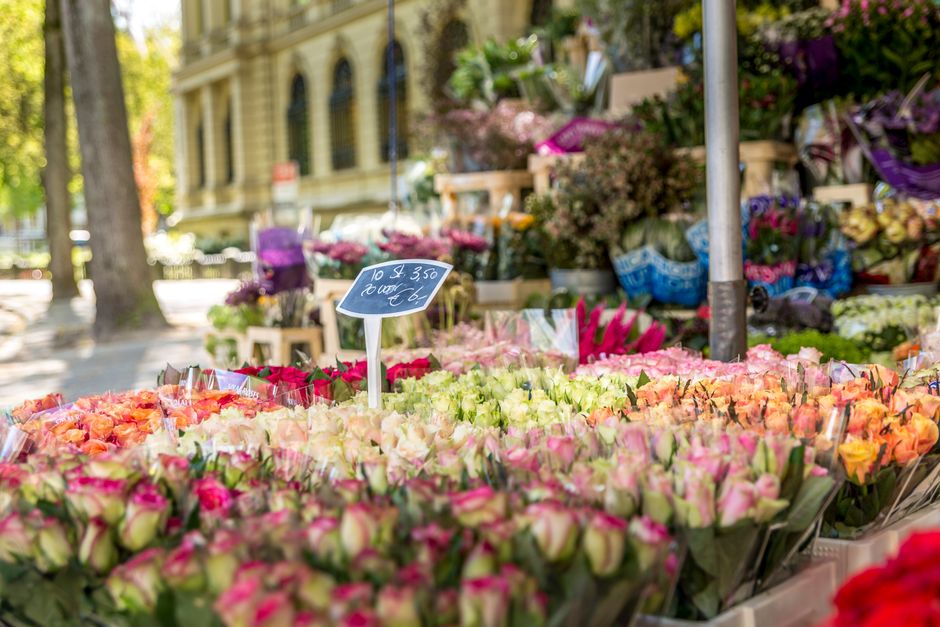
Common Mistakes to Avoid
Most trading problems are surprisingly ordinary. They are usually not dramatic legal disasters; they are small oversights that stack up. Here are the big ones.
- Assuming public space is free to use. It usually is not. Always check permission.
- Ignoring exact pitch conditions. A stall that is technically allowed can still be non-compliant if it is set up badly.
- Overloading the space. Too much stock makes the stall look messy and can block access.
- Using unclear pricing. Hidden prices frustrate customers and slow sales.
- Forgetting waste management. Wet stems, cardboard, twine, and packaging need a plan.
- Trading with fragile stock only. Keep a sensible mix so you are not relying on one highly perishable line.
- Failing to plan for weather. Wind and rain can ruin displays faster than you think.
Another mistake is treating the council rules as a one-time hurdle. In real life, permissions, site rules, or operational expectations can change. If you expand into different flower formats, for example, from hand-tied bouquets to sympathy work or wedding order collection, your display and handling needs may change too. A stall that suits birthday and any occasion bouquets may not be ideal for larger event arrangements.
Sometimes the issue is just presentation. A tablecloth that slips, a bucket that drips, or a handwritten sign with too much information can make a stall look rushed. Not criminal, obviously. Just not great. And customers notice that stuff faster than you think.
Tools, Resources and Recommendations
You do not need fancy kit to run a solid flower stall, but a few sensible tools make compliance and trading a lot easier.
- Sturdy stall table or display stand: stable enough for buckets and signage.
- Weighted containers or water-safe buckets: essential for fresh stems and wind resistance.
- Weather covers: useful for rain, sun, and sudden temperature shifts.
- Simple price board: readable from a few steps away.
- Cleaning kit: cloths, bin bags, wipes, and a routine for end-of-day tidying.
- Notebook or digital log: for pitch dates, rules, and contact details.
- Card payment option: many customers expect quick, contactless checkout now.
For product planning, it helps to keep a small core range that is easy to replenish. Popular everyday flowers and flexible bunches reduce waste and help you react to customer behaviour. If your stall is also part of a bigger order flow, useful site pages such as flower shops in Hackney Marshes, local florist service, and send flowers can support broader browsing behaviour.
You may also want supporting customer care pages to help customers trust the business behind the stall. Clear information on delivery, flower care, and guarantees can reduce questions and improve confidence. That does not make the stall itself more legal, of course, but it does make the business feel properly run.
Law, Compliance, Standards, or Best Practice
This is the section where a lot of people want certainty. Fair enough. The careful answer is that local trading rules can involve more than one layer of control, and the exact setup depends on the site and the nature of trading. In general, you should think about the following:
- Local authority permission: required where the council controls the land or trading area.
- Market operator rules: if the pitch is within a managed market, site rules may sit alongside council expectations.
- Public highway or pavement considerations: trading that affects footway access can trigger extra controls.
- Health and safety duties: you must avoid hazards to customers, staff, and passers-by.
- Consumer law basics: prices should be clear and descriptions should be honest.
- Food-adjacent hygiene habits: even though flowers are not food, water, waste, and cleanliness standards still matter.
Best practice is to keep your pitch tidy, avoid obstruction, make prices transparent, and maintain a professional standard throughout the trading day. If you are handling very busy periods, it is wise to build in an extra layer of control for queues, stock rotation, and litter collection. That sort of discipline is boring in the best possible way.
If your work extends into event flowers, seasonal markets, or wedding trade, your compliance approach should stay consistent across channels. For example, a trader selling wedding flowers, funeral flowers, or sympathy flowers needs particularly careful handling, because those orders often involve timing, presentation, and customer sensitivity. Professionalism is not just about neatness there; it is part of the service.
One practical note: if a rule is unclear, do not guess and hope for the best. That approach works about as well as leaving tulips in direct noon sun. Ask for the correct permission terms, keep a written record, and if needed seek proper advice before you invest too heavily in equipment or stock.
Options, Methods, or Comparison Table
There are a few common ways flower trading shows up in Hackney. The right one depends on how often you want to trade, how much stock you carry, and whether you are aiming for casual selling or a more structured setup.
| Trading method | Best for | Main strengths | Things to watch |
|---|---|---|---|
| Regular market stall | Traders who want repeat footfall and a stable pitch | Brand recognition, predictable routine, loyal local customers | Pitch competition, set trading hours, ongoing compliance |
| Pop-up flower stall | Testing demand or selling during seasonal peaks | Flexible, lower commitment, good for events | Permission may be temporary; setup can be more limited |
| Shopfront external display | Florists with an existing premises | Builds visibility and captures passing trade | Must not obstruct access or breach frontage rules |
| Mixed model with delivery | Businesses balancing stall sales with online orders | More resilient income, wider customer reach | Requires good stock control and fulfilment planning |
There is no single best model. A trader who does well with a small Saturday stall may struggle with a busier weekday pitch, and vice versa. Sometimes the right answer is to start small, learn the site, and scale only once you understand the flow of trade. It sounds cautious, because it is.
Case Study or Real-World Example
Picture a florist setting up a flower stall near a busy Hackney shopping area on Friday and Saturday mornings. The first week is exciting. The display looks bright, the buckets are full, and passers-by stop to ask about the mixed bouquets. Then the realities begin to show themselves.
On day two, the trader notices that a large display board narrows the walking space too much, especially when a group of people arrives at once. A nearby business mentions that the water buckets are leaving marks on the pavement. Later, a gusty spell nudges the lighter stems and the front row starts to look a little untidy. Nothing catastrophic. Just the sort of thing that can slowly chip away at goodwill.
After adjusting the layout, keeping the front edge cleaner, and reducing the amount of stock on display, the stall works better. Customers move more easily, the flowers look fresher for longer, and the whole setup feels calmer. The trader also starts using a narrower product mix: everyday hand-tieds, a few seasonal bunches, and a small number of premium stems. That makes replenishment easier and waste lower.
The interesting part is that compliance improved the sales experience, not just the legal position. Less clutter made the stall look more appealing. Clearer pricing made decisions faster. Better pack-down reduced end-of-day stress. In real life, those things feed into each other.
That is usually how it goes with market trading. Fix the practical basics, and the business side tends to breathe a bit easier.
Practical Checklist
Use this checklist before your first day, and then again whenever you change pitch or season.
- Confirm the exact pitch or stall location.
- Check who controls the site and what permission is needed.
- Read all pitch conditions carefully.
- Measure your stall setup before you arrive.
- Plan for weather, waste, and water management.
- Keep walkways and access points clear.
- Display prices clearly and honestly.
- Bring cleaning supplies and bin bags.
- Prepare a simple stock range that suits the location.
- Use card payment if customers are likely to expect it.
- Store all permissions and trading notes safely.
- Review the setup after the first few trading sessions.
If you can tick all of those off, you are already ahead of a lot of casual stallholders. No drama, no fuss. Just a smoother trading day.
Get a free quote today and see how much you can save.
Conclusion
Hackney Council rules for flower stalls and market trading are not there to make life awkward. At their best, they give structure, fairness, and a clear framework for running a stall that feels professional and works well in the real world. If you understand the permission side, build a tidy setup, and stay alert to practical details, you give your flower business a much better chance of thriving.
Start with the site, understand the conditions, keep the stall simple and well-presented, and treat compliance as part of good trading rather than an admin chore. That mindset usually pays off. And honestly, it tends to make the whole day feel less stressful too.
There is something quietly lovely about a well-run flower stall on a busy Hackney street. The colour, the movement, the small conversations - it all adds up. Get the rules right, and the rest has a way of flowing a little more easily.
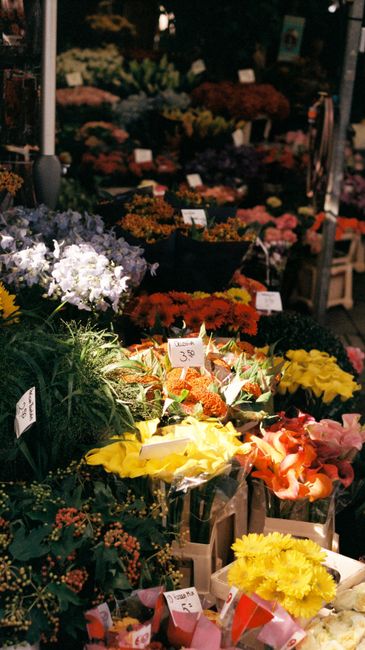
Frequently Asked Questions
Do I need permission to run a flower stall in Hackney?
In most cases, yes. If you are trading on land controlled by the council or within a managed market, you should expect to need formal permission or a pitch arrangement. Do not assume a public space is available just because it looks open.
Are Hackney Council rules the same for every market pitch?
No. The exact rules can vary by location, site operator, stall type, and whether the trading is regular or temporary. Always check the specifics of the exact pitch you want to use.
Can I sell flowers from a pavement stall outside my shop?
Possibly, but only if the arrangement is allowed and does not obstruct access or breach local trading controls. A shopfront display may be treated differently from a standalone market stall, so the permission details matter.
What should I do if I only want to trade on weekends?
Weekend-only trading can still need permission. The fact that it is part-time does not automatically make it exempt. If anything, short trading windows make planning even more important because you need to make the most of each session.
What are the biggest compliance risks for flower stalls?
The biggest risks are trading without permission, blocking access, poor waste handling, unclear pricing, and a messy or unsafe display. In practice, most problems come from small operational oversights rather than anything complicated.
Do I need special equipment for a flower market stall?
You do not need anything extravagant, but you do need stable display equipment, weather protection, water-safe containers, cleaning supplies, and a clear pricing setup. The right kit helps with both presentation and compliance.
How can I make a flower stall look more professional?
Keep the range focused, use clear signage, avoid clutter, and ensure the flowers look fresh and well spaced. Customers notice neatness fast. If the stall feels calm and organised, it usually sells better.
What flowers sell best on a market stall?
That depends on season, weather, and local footfall, but simple mixed bunches, roses, tulips, and affordable everyday bouquets often perform well. It helps to offer a small range that is easy to understand at a glance.
Can I combine market trading with online flower delivery?
Yes, and many businesses do. In fact, combining both can make your trading more resilient, especially during quieter days. Just make sure stock, delivery timing, and stall availability are planned carefully.
What should I keep records of as a flower trader?
Keep copies of pitch permissions, payment records, site conditions, and any communication about your trading arrangement. If anything changes later, having the paperwork makes life much easier.
What happens if I ignore local trading rules?
You could be asked to move, lose your pitch, or face enforcement action depending on the situation. Even short-term non-compliance can damage trust with site managers and local customers, which is never ideal.
Where should I start if I am completely new to market trading?
Start by identifying the exact site you want to trade from, then check what permission is needed and what the pitch conditions are. After that, build a simple stall setup, test it in advance, and keep everything as tidy and clear as possible. Small steps first usually work best.


