What you must know about disposing flowers in Hackney Council parks
Posted on 23/10/2026
If you've ever finished a picnic, a memorial visit, or a long walk through a Hackney park with a bunch of tired flowers in your hands, you'll know the awkward bit: what now? This guide to What you must know about disposing flowers in Hackney Council parks explains the sensible, respectful way to handle cut flowers, bouquets, stems, and floral waste without creating mess, upsetting other park users, or leaving staff to sort out avoidable rubbish. We'll keep it practical, local, and clear. No fluff. Just the bits that matter when you're standing by a bin or wondering whether the petals can stay on the grass. Spoiler: the answer is usually more about good judgement than drama.
Whether the flowers came from a celebration, a funeral tribute, a wedding, or simply a bunch that has seen better days, the same basic rule applies: parks are shared spaces, so disposal should be tidy, considerate, and aligned with local expectations. In Hackney, that means thinking about waste separation, litter, wildlife, compostability, and the fact that someone else will have to live with the aftermath if you get it wrong.
Why What you must know about disposing flowers in Hackney Council parks Matters
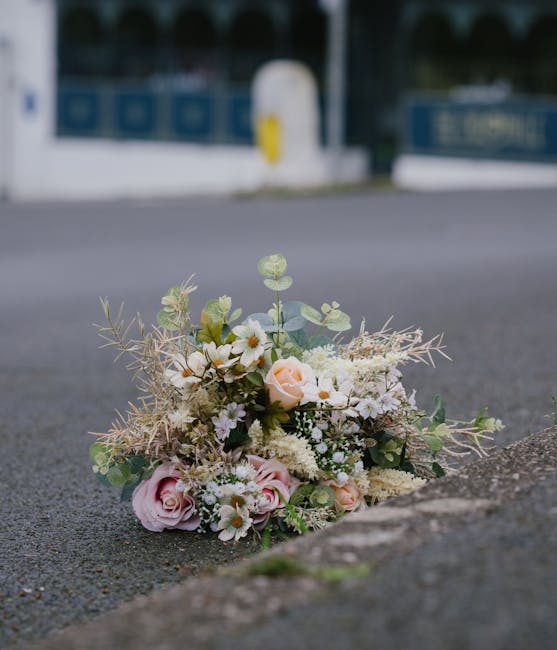
Disposing of flowers in a park might sound trivial, but it sits at the intersection of cleanliness, courtesy, and environmental care. Leave a wilted bouquet on a bench and it quickly becomes litter. Toss floral foam into a verge and it can break apart into stubborn little pieces. Dump stems beside a path and, well, it just looks untidy. Not ideal in a place people use for exercise, dog walking, family time, and quiet moments.
There's also a trust issue. Parks work because everyone shares a small amount of responsibility. If one person treats the space casually, it tends to invite the next person to do the same. That's how a neat green space gets a bit scruffy by lunchtime. Truth be told, most people are not trying to be careless; they just need a clearer idea of what "proper disposal" looks like in practice.
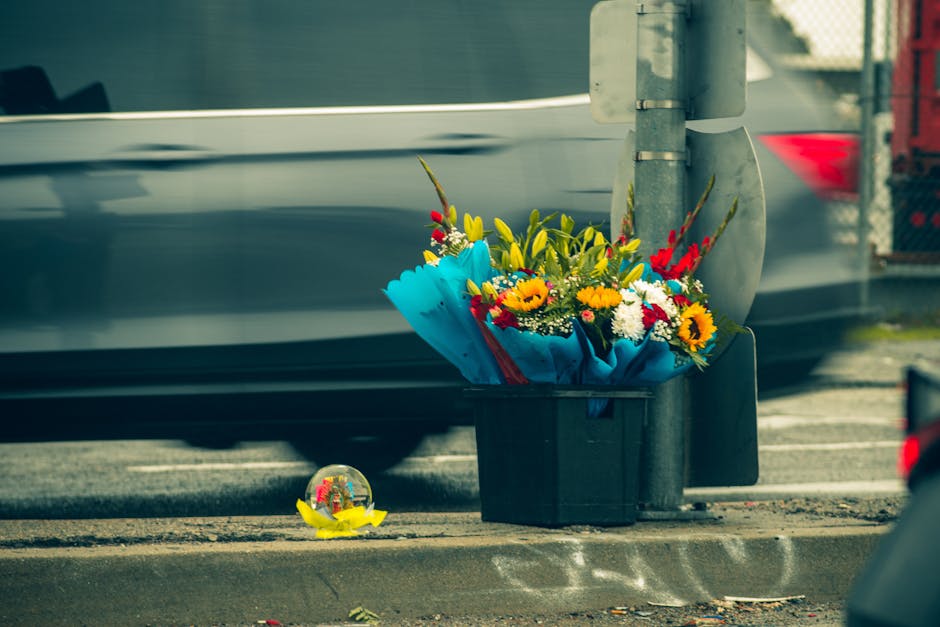
This matters even more for tribute flowers. Flowers left after a remembrance visit can mean a lot to the person who placed them, so the decision is not just about waste. It's about respect, timing, and knowing how to clear items without appearing dismissive. A thoughtful approach avoids unnecessary upset and helps keep the park feeling calm and well kept.
Practical takeaway: if the flowers are no longer wanted, treat them like any other waste stream only after considering whether they can be composted, bagged neatly, or taken home. The most considerate choice is usually the one that leaves the park clean and causes the least disruption.
How What you must know about disposing flowers in Hackney Council parks Works
In simple terms, flower disposal in a council park comes down to three questions: Can the flowers be taken away easily? Can they be composted or placed in general waste? Will the method leave the area tidy? That's the core of it. Different flowers and arrangements create different waste, and the packaging matters almost as much as the blooms themselves.
Fresh cut flowers, for example, are usually easier to handle than mixed floral tributes with ribbon, wire, cellophane, tape, foam, and plastic picks. Once a bouquet includes non-organic materials, you need to separate what can be recycled or reused from what can't. A straightforward bunch of roses is one thing; a large memorial spray with foam and plastic wrap is something else entirely. Not complicated, but you do need to slow down for a moment.
Most park users should think in layers:
- Organic material: petals, stems, leaves, and spent blooms.
- Non-organic material: wrapping, ribbon, tape, florist's wire, plastic sleeves, plastic ties, and foam.
- Location sensitivity: paths, lawns, planters, memorial areas, and water edges all have different considerations.
If you're removing flowers from a bench, memorial edge, or picnic spot, the best practice is usually to gather everything into a bag and dispose of it off-site or in the correct park bin if one is available and clearly suitable. There's a lot of common sense in that, really. The key is not to leave loose petals, wet stems, or plastic bits behind.
Where a council or park notice gives a specific instruction, follow that. If there is no visible instruction, use the simplest low-impact method: remove flowers fully, keep the area clean, and avoid making assumptions about composting or organic disposal unless the bin type clearly supports it.
One thing people often overlook is moisture. Cut flowers can drip, stain, and smell a bit sour after a warm afternoon. If it's a sunny day in Hackney and the bouquet has been sitting out since morning, you will notice it pretty quickly. That's when a small paper bag or a reusable tote starts to look very useful indeed.
Key Benefits and Practical Advantages
Doing this properly has more benefits than people expect. The first is obvious: the park stays tidy. But there are a few other practical wins too.
- Less litter and visual clutter: A clean patch of grass or bench space is simply more pleasant for everyone else.
- Better hygiene: Wilted flowers, especially in warm weather, can attract insects or create an unpleasant smell if left too long.
- Reduced wildlife risk: Bits of ribbon, wire, and plastic are bad news for birds, dogs, and small animals.
- Respectful handling of tributes: Memorial flowers are often emotionally charged, so careful removal matters.
- Fewer surprises for park staff: Properly bagged waste is much easier to manage than loose stems scattered by wind.
There's also a quieter benefit: it helps you feel like you've handled the moment properly. That sounds slightly sentimental, perhaps, but it's true. Whether you're clearing after an event or just tidying up after a bouquet has faded, a neat and respectful finish feels better than leaving a small mess behind.
For people planning flower deliveries for events near a park, this can influence choice too. A more compact arrangement, or a bouquet that travels well, may create less waste and less handling later. If you're sending flowers for a wedding celebration or a simple thank-you, a thoughtfully chosen arrangement from a local florist in Hackney Marshes can make the aftercare easier as well as the giving more enjoyable.
Who This Is For and When It Makes Sense
This topic is relevant to more people than you might think. Not just event organisers or people placing memorial flowers. In day-to-day life, plenty of residents and visitors run into it.
- Families and friends clearing flowers after a remembrance visit.
- Picnic-goers who brought flowers for a birthday or small celebration in the park.
- Event organisers dealing with floral decor after outdoor gatherings.
- Walkers and joggers who spot abandoned bouquets and want to do the right thing.
- Local businesses managing floral waste after outdoor promotions or hospitality setups.
It also makes sense whenever flowers have outlived their purpose. Maybe they were part of a nice day and now they're drooping. Maybe they were laid somewhere significant, and the time has come to clear them carefully. Maybe the wind has done its thing and the arrangement has spread itself across the pavement like it owns the place. Happens more than people admit.
If you're arranging flowers for a special occasion, you might also want to think ahead about what happens afterwards. Choosing seasonal blooms, a vase arrangement, or a design with less packaging can reduce disposal hassle later. A product like flowers in a vase can be a simpler option if you expect to move the flowers around and don't want to deal with a lot of wrap and stem trimming at the end.
Step-by-Step Guidance
Here's the cleanest way to handle flower disposal in or around Hackney Council parks. Keep it simple and don't overthink it.
- Check whether the flowers are still wanted. Sometimes a bouquet can be taken home, passed on, or dried before disposal. Not every arrangement has to go straight in the bin.
- Separate reusable items. Remove vases, cards, ribbon, plant pots, elastic bands, and any decorative picks if they can be saved or recycled elsewhere.
- Identify non-organic waste. Plastic wrap, floral foam, wire, tape, and foam-based holders should be kept away from loose green waste.
- Bag the remains neatly. Use a paper or plastic bag where appropriate, keeping stems and petals contained so they do not blow away.
- Use the right bin if one is available. Follow any signs in the park. If a bin is clearly for litter only, do not force compostables into a waste system that may not accept them.
- Leave the area clean. Pick up stray petals, bits of wrapping, and stem ends. Take an extra ten seconds. It's worth it.
- Dispose of the bag off-site if needed. If no suitable bin is nearby, take the flowers home and dispose of them there rather than leaving them beside a path.
If the flowers are part of a tribute, be especially careful with any cards or messages. Some people choose to keep those separately, which is entirely understandable. A tiny handwritten note can mean more than the flowers themselves. It's the kind of detail people remember.
When you're dealing with larger arrangements, break the process into pieces. Flowers first, then packaging, then the final tidy-up. That sequence works surprisingly well and avoids the "I've made it worse" feeling that can happen when everything gets bundled together too soon.
Expert Tips for Better Results
After dealing with enough floral waste, a few habits really stand out. Small habits, but they save time and hassle.
- Carry a spare bag. A simple bag in your tote or car boot makes disposal much easier if flowers start fading unexpectedly.
- Keep scissors or snips handy. Cutting bulky stems or ribbon loops can make a bouquet far less awkward to handle.
- Choose less packaging from the start. If the flowers are for a park visit or outdoor event, ask for minimal wrap where possible.
- Avoid dumping wet stems directly on the ground. Even if they are organic, they still count as litter when left loose.
- Do not assume "natural" means harmless. Natural materials can still be messy, slippery, or disruptive in a public space.
- Think about timing. Late afternoon is often better for clearing flowers than leaving them overnight, especially in warm weather.
One useful judgement call: if the bouquet is partly compostable but contaminated with plastic or foam, treat the whole thing cautiously. Mixed waste is one of those boring little problems that turns into a bigger one if you pretend it's simple. You know the drill.
Another tip, slightly old-fashioned but still true: if in doubt, take it with you. Parks are not the place for "I'll just leave this here for now." That phrase has caused enough trouble in public spaces everywhere.
Common Mistakes to Avoid
Most errors are avoidable, but they happen a lot because people are in a rush or feel a bit awkward about what to do.
- Leaving flowers on the ground "to decompose naturally." In a park, that usually just becomes litter.
- Mixing foam, plastic, and green waste together. It makes sorting harder and lowers the quality of any compostable waste.
- Dropping ribbon and wire into hedges. Small pieces are easy to miss and annoying to clean up later.
- Ignoring memorial etiquette. If flowers were placed as a tribute, removing them without care can feel disrespectful.
- Overfilling park bins. If the bin lid won't close, the waste is more likely to blow out again.
- Assuming someone else will clear it. That's the fastest way to create a small mess that becomes a bigger one.
There's also the habit of separating the bouquet only halfway. People remove the obvious plastic wrap but leave little sticker tabs, ribbon tags, and wire tucked inside the stems. It looks tidy at first glance, but it's not really tidy. A quick second look solves that.
Another common one: placing flowers near a pond or water feature. It can seem harmless, even pretty in the moment, but it is still waste in the wrong place. Pretty is not the same as appropriate. Slightly blunt, but there it is.
Tools, Resources and Recommendations
You do not need specialist equipment to dispose of flowers properly, but a few basic items make it easier. Think practical rather than fancy.
- Small refuse bag: Useful for carrying stems, petals, and packaging away neatly.
- Reusable tote or tote liner: Handy if you're moving flowers between home and park.
- Small scissors or secateurs: Helps trim stems or cut tangled ribbon.
- Gloves: Worth using if flowers are thorny, wet, or starting to decay.
- Paper wrap or newspaper: Can be used to contain floral waste temporarily.
For anyone handling flowers more regularly, aftercare matters too. Knowing how to look after blooms for longer means less unnecessary waste in the first place. A helpful place to start is the website's flower care guidance, which is especially useful if you want arrangements to last longer before disposal becomes necessary.
If you're looking for low-fuss purchases that are less likely to create a disposal headache later, consider styles and products that keep things contained. A more structured bouquet, or something already arranged for presentation, is often easier to manage than loose stems and layers of wrap. For occasions where convenience matters, flower delivery in Hackney Marshes can be a practical option, especially when timing is tight.
Law, Compliance, Standards, or Best Practice
This topic does not usually turn on one dramatic rule; it is more about everyday compliance with local park expectations, litter control, and respectful public-space behaviour. In plain English: do not leave waste behind, do not assume organic items can simply be abandoned, and do not use a park bin in a way that creates overflow or contamination.
Where public spaces are concerned, best practice is straightforward:
- Keep waste contained.
- Separate recyclables or reusable items where practical.
- Do not leave petals, stems, foam, or plastic in planting beds or grass.
- Follow local signage and any instructions from park staff or notices.
- Be especially careful around memorials and ceremonial arrangements.
It is also sensible to remember that not every park bin or waste setup works the same way. Some locations are better equipped than others, and not every bin is meant for the same kind of material. If you cannot confidently place the flowers in the correct waste stream, taking them home is usually the safest choice.
Best practice is not about being overly cautious for the sake of it. It is about being tidy enough that nobody else has to deal with your leftovers. That is really the heart of it.
Options, Methods, or Comparison Table
Different disposal methods suit different situations. Here's a simple comparison to help you choose what makes sense.
| Method | Best for | Pros | Watch-outs |
|---|---|---|---|
| Take flowers home | Most situations, especially mixed arrangements | Cleanest, most controlled option | Requires you to carry the waste with you |
| Use a suitable park bin | Small amounts of clean floral waste | Quick and convenient | Only works if the bin is appropriate and not overflowing |
| Separate organic from packaging | Mixed bouquets with wrap or wire | Reduces contamination and keeps disposal tidier | Takes a little more effort |
| Reuse or dry flowers | Decorative or sentimental arrangements | Extends the life of the bouquet | Not always suitable for all flowers or occasions |
| Compost at home | Clean, organic-only stems and petals | Environmentally sensible | Not suitable if plastic, foam, or treated materials are mixed in |
For most readers, the easiest answer is simple: if the bouquet is clean and organic, home composting or controlled disposal makes sense. If it's mixed-material, bag it and take it away properly. That one choice solves most problems before they start.
Case Study or Real-World Example
Imagine this: a family visits a Hackney park on a mild Sunday afternoon to mark a birthday. They bring a small bouquet, a card, and a few snacks. By the time they're packing up, the flowers have started to droop in the heat. The tissue paper is damp, one ribbon has slipped loose, and there's a little scatter of petals on the blanket. Nothing major, but enough to feel messy.
What works best here? They separate the card and keep it, fold the paper wrap away from the food waste, and place the stems and petals into a bag. Because there's no suitable recycling point nearby, they take the bag home rather than leave it by the park bin. It's quick, tidy, and nobody has to wonder whether the flowers were meant to stay there.
Now compare that with a memorial setting. A person returns a few days later to clear tribute flowers that have become weathered and soft. In that case, the approach is slower and more careful. Cards may be removed and kept, any remaining fresh blooms can be taken home if appropriate, and the rest is bagged with dignity. Different setting, same core principle: leave the place neat and handle the flowers with respect. That tiny shift in pace matters a lot.
We often find that the nicest-looking solution is not always the best one. A bouquet lying "artfully" under a tree might seem natural, but it is still waste. A slightly less picturesque choice, like bagging and taking it away, is usually the better one. Bit of a boring answer, perhaps, but it is the right one.
Practical Checklist
Before you leave flowers in or around a Hackney park area, run through this quick checklist.
- Have I checked whether the flowers can be taken home or reused?
- Have I removed cards, ribbons, or keepsakes I want to save?
- Have I separated plastic wrap, foam, wire, or tape from organic material?
- Do I know which bin, if any, is suitable for the waste?
- Will the area still look tidy after I leave?
- Have I picked up any loose petals or packaging fragments?
- Am I dealing with a memorial or tribute arrangement that needs extra care?
- If I'm unsure, have I decided to take the flowers away rather than leave them behind?
Quick reminder: if you only do one thing, do this - keep the flowers contained and leave the space cleaner than you found it.
Conclusion
What you must know about disposing flowers in Hackney Council parks is, at heart, pretty simple: respect the shared space, keep waste contained, and think before you leave anything behind. Flowers may be soft, temporary, and sentimental, but disposal still needs to be tidy and considerate. That applies whether you're clearing up after a celebration, handling a tribute, or just dealing with a bouquet that has finally had enough.
The good news is that the best approach is not complicated. Separate what you can, bag what remains, use the right bin if one is available, and never leave a loose floral mess behind. If you make a habit of that, you'll avoid most of the awkward bits and help keep Hackney's parks pleasant for everyone else. Simple, really.
If you're planning a flower purchase and want to reduce disposal hassle later, choose arrangements that are easier to manage, last longer, and suit the occasion properly. And if you need help with the flowers themselves, you can always start with the right product and let the rest fall into place.
Get a free quote today and see how much you can save.
Frequently Asked Questions
Can I leave flowers in a Hackney park after a memorial visit?
It is usually better not to leave them unless the location is clearly intended for that purpose. In most shared park spaces, the respectful choice is to take the flowers with you or dispose of them neatly in an appropriate waste point.
Are flowers considered litter if I leave them on the grass?
Yes, in practical terms they are treated as waste when left behind in a public park. Even natural materials can count as litter if they are abandoned rather than managed properly.
Can I put flowers in a park bin?
Sometimes, yes, if the bin is suitable and not overflowing. But if the flowers include plastic wrap, foam, wire, or other mixed materials, it is often safer to take them home and dispose of them properly there.
Do I need to separate the ribbon and wrapping from the flowers?
Yes, if possible. Separating organic material from non-organic packaging makes disposal tidier and reduces the chance of contaminating recyclable or compostable waste.
What should I do with old funeral flowers in a park?
Handle them carefully and respectfully. If the flowers are part of a tribute, consider keeping any cards or mementos, then bag the remaining materials and dispose of them in a neat, controlled way.
Can wilted petals be left to decompose naturally?
Not in a public park. While petals are organic, leaving them scattered still creates litter, looks untidy, and can attract pests or blow into other areas.
What if there is no bin nearby?
Take the flowers away with you. That is usually the best option if you cannot confidently use the available waste system. It is better to carry them home than to leave a mess behind.
Is floral foam allowed in park waste?
Floral foam is best handled cautiously because it does not behave like normal green waste and can break into small pieces. Keep it contained and do not leave fragments in the park.
What is the best way to dispose of a mixed bouquet?
Separate what you can, bag the rest neatly, and avoid leaving anything loose. Mixed bouquets often include plastic, tape, and wire, so a controlled disposal method is usually the safest.
Can I compost flowers from a park at home?
If they are clean, organic, and free from packaging or treated materials, home composting can be a sensible option. If they are mixed with plastic or foam, do not compost them.
Should I use a florist arrangement with less packaging if I'm taking flowers to the park?
Yes, that often makes life easier. Fewer wraps, ties, and inserts mean less to sort out later, and the flowers are usually easier to carry and dispose of responsibly.
What should I do if I see abandoned flowers in a park?
If it feels safe and appropriate, you can place them neatly in a bin or take them away, but only if you are comfortable doing so. Otherwise, reporting the issue or leaving it for park staff may be more suitable.
Does it matter if the flowers are just a small bunch?
Yes, because even small amounts can become litter if left in the wrong place. A tiny bunch still benefits from the same care: contain it, clean up loose bits, and use the right disposal method.
Are there better flower choices if I know I will be in a park all day?
Yes. More durable blooms, compact arrangements, and flowers in a vase or container often travel better and create less waste later. That is especially useful if you do not want to deal with soggy wrap by mid-afternoon.
If you want a simple rule to remember, make it this: tidy, contained, respectful. Those three words cover most situations, and they'll keep you on the right side of common sense. And honestly, that's usually enough.